Printable tattoo aftercare instructions are vital for optimal healing, offering detailed guidance on cleaning, moisturizing, and preventing infection for vibrant, lasting results.
Why Aftercare is Crucial
Proper aftercare is paramount for a beautifully healed tattoo, preventing infections and ensuring vibrant color retention. Printable instructions offer a readily available resource, guiding you through each stage of healing. Ignoring aftercare can lead to complications like scabbing, peeling, and even necessitate costly touch-ups.
Following guidelines – avoiding submersion, sun exposure, and friction – protects the skin’s integrity during this vulnerable period. Detailed PDFs provide clarity, minimizing errors and maximizing the tattoo’s longevity. Remember, a well-cared-for tattoo is a testament to both artistic skill and responsible ownership, safeguarding your investment and ensuring a stunning piece of body art for years to come.
Understanding the Healing Process
Tattoo healing isn’t instant; it’s a multi-stage process. Initially, the skin experiences inflammation and oozing, followed by scabbing and peeling. Printable aftercare sheets explain these phases, normalizing what seems alarming. Understanding that some discomfort and fluid release are normal prevents unnecessary panic.
The body treats the tattoo like a wound, working to repair the damaged skin. Detailed PDFs emphasize the importance of keeping the area clean and moisturized to support this natural healing. Patience is key; complete healing can take 2-4 weeks, varying by size and location. Knowing what to expect empowers you to provide optimal care.
Initial Aftercare (First 24-72 Hours)
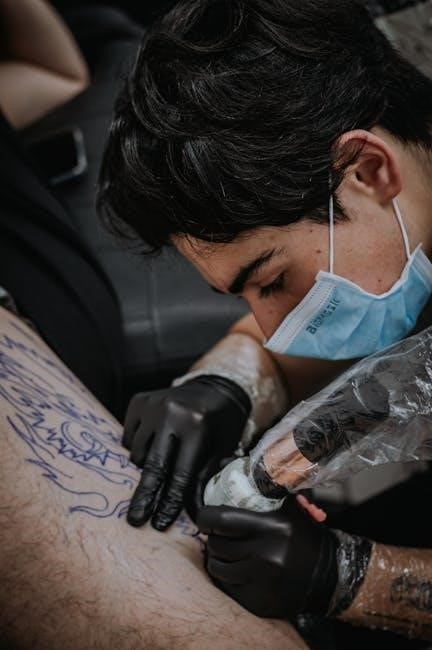
Printable guides stress keeping the tattoo bandaged initially, then gently cleansing and applying a thin ointment layer for crucial early healing.
Removing the Bandage
Printable aftercare sheets consistently advise carefully removing the bandage applied by your artist, typically after 2-6 hours, but follow their specific instructions.
Avoid ripping it off, as this can cause damage to the fresh tattoo. Instead, gently peel it away, ideally in a warm, humid environment like the shower.
If the bandage sticks, moisten it with lukewarm water to loosen the adhesive.
Once removed, immediately cleanse the tattoo with a mild, fragrance-free soap and lukewarm water, preparing it for the next stage of aftercare.
Proper bandage removal is the first step towards successful healing!
Gentle Cleansing – First Wash
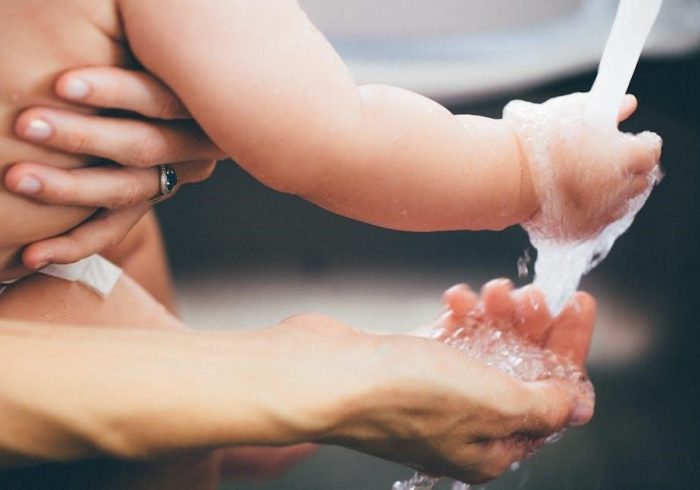
Printable tattoo aftercare guides emphasize a gentle first wash using lukewarm water and a mild, fragrance-free soap.
Avoid harsh soaps, antibacterial products like Savlon, and anything with strong perfumes, as these can irritate the new tattoo.
Use your clean fingertips – never a washcloth or loofah – to gently cleanse the area, removing any blood, plasma, or excess ink.
Rinse thoroughly with lukewarm water, ensuring all soap residue is gone.
Pat the tattoo dry with a clean paper towel; do not rub. This initial cleanse sets the stage for healthy healing.
Applying a Thin Layer of Ointment
Printable aftercare sheets consistently recommend applying a very thin layer of ointment after the first wash to keep the tattoo moisturized and protected.
Avoid over-application; a little goes a long way! Too much ointment can suffocate the skin and hinder healing.
Dexpanthenol-containing products are often suggested for their healing properties, promoting skin regeneration.
Gently rub the ointment into the skin until it’s absorbed, leaving a subtle sheen, not a thick, greasy coating.
This initial moisturizing step is crucial for preventing dryness and scabbing.

Ongoing Aftercare (Days 3-14)
Printable guides emphasize consistent cleansing and moisturizing during days 3-14, avoiding irritation and sun exposure to support proper healing and vibrant color.
Cleansing Routine – Frequency & Soap Type
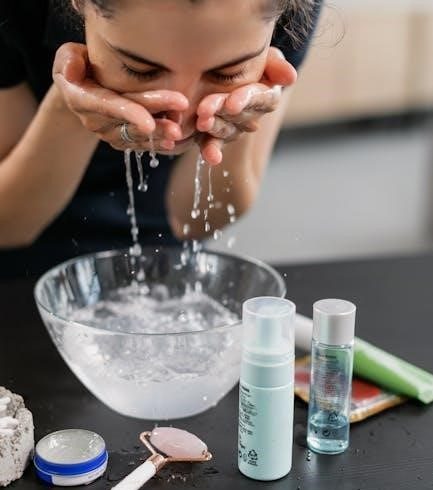
Printable aftercare sheets consistently recommend gentle cleansing two to three times daily during the initial healing phase. Utilizing a mild, fragrance-free soap is paramount; avoid harsh chemicals or antibacterial varieties that can cause irritation and impede healing.
Warm water and gentle circular motions are key – never scrub! Pat the tattoo dry with a clean paper towel, avoiding cloth towels which harbor bacteria. Proper cleansing removes plasma and excess ink, preventing scabbing and promoting a smoother healing process. Following each wash, a thin layer of recommended ointment should be applied to keep the area moisturized and protected.
Moisturizing – Choosing the Right Product
Printable tattoo aftercare guides emphasize the importance of consistent moisturizing to prevent dryness, cracking, and excessive scabbing. Opt for fragrance-free, hypoallergenic lotions or ointments specifically designed for tattoo aftercare, or those containing dexpanthenol.
Avoid petroleum-based products like Vaseline, as they can trap bacteria and hinder oxygen flow. Apply a very thin layer – the tattoo should appear hydrated, not greasy. Over-moisturizing can be as detrimental as under-moisturizing, potentially leading to breakouts or slowed healing. Reapply as needed, typically 2-3 times daily, until fully healed.
Avoiding Irritation – Clothing & Activities
Printable tattoo aftercare sheets consistently advise avoiding tight clothing that rubs against the new tattoo, as friction can cause irritation, scabbing, and even pull out ink. Choose loose-fitting, breathable fabrics like cotton.
Limit strenuous activities and excessive sweating during the initial healing phase. Avoid swimming, soaking in baths, and prolonged sun exposure, as these can introduce bacteria and damage the tattoo. Carefully consider your activities and protect your healing tattoo from potential harm to ensure optimal results.
Protecting Your Tattoo
Printable aftercare guides emphasize shielding your tattoo from sun exposure, submersion in water, and friction from clothing or exercise for proper healing.
Sun Protection – Importance & SPF
Printable aftercare sheets consistently highlight sun protection as crucial for tattoo longevity. UV rays can severely fade colors and damage the skin, impacting the tattoo’s vibrancy.
Direct sunlight exposure during healing, and even years later, should be avoided. Once the initial healing phase is complete, always apply a broad-spectrum sunscreen with a high SPF (30 or higher) to the tattooed area whenever it’s exposed.
This preventative measure safeguards against color fading and maintains the tattoo’s artistic integrity. Dexpanthenol-containing suncare products are often recommended for added skin health benefits during aftercare.
Avoiding Submersion – Swimming & Baths
Printable tattoo aftercare guides universally advise against submerging a new tattoo in water for at least two weeks, sometimes longer depending on healing progress. This includes swimming pools, bathtubs, hot tubs, and even prolonged showers.
Submersion introduces bacteria and increases the risk of infection, potentially ruining the artwork. While Saniderm can offer some protection during a quick shower, it’s not waterproof and should not be deliberately soaked.
Following these guidelines diligently ensures proper healing and prevents complications, preserving the tattoo’s quality and appearance.
Preventing Friction – Tight Clothing & Exercise
Printable tattoo aftercare sheets emphasize minimizing friction on the healing tattoo. Avoid tight clothing that rubs against the area, as this can cause irritation, scabbing, and even pull out ink. Opt for loose-fitting, breathable fabrics like cotton during the initial healing phase.
Similarly, strenuous exercise should be limited. Excessive sweating and movement can introduce bacteria and disrupt the healing process.
Gentle activity is fine, but avoid anything that causes significant friction or strain on the tattooed skin, ensuring optimal recovery and vibrant results.

Recognizing and Addressing Potential Issues
Printable aftercare guides detail infection signs like excessive redness, swelling, or pus. Address scabbing by moisturizing, and seek professional help if concerns arise.
Signs of Infection – What to Look For
Printable aftercare sheets emphasize vigilance for infection signs. Look for excessive and increasing redness extending beyond the tattoo’s immediate borders, indicating inflammation; Noticeable swelling, disproportionate to the normal healing process, is a key indicator.
The presence of pus – a thick, yellowish or greenish discharge – is a serious warning sign demanding immediate attention. Increased pain, beyond the initial soreness, and warmth around the tattoo area also suggest infection.
Fever or chills accompanying tattoo discomfort are critical symptoms requiring prompt medical evaluation. Ignoring these signs can lead to complications, so consult a healthcare professional immediately if observed.
Dealing with Scabbing & Peeling
Printable tattoo aftercare guides stress that scabbing and peeling are normal parts of healing. Do not pick or scratch at these areas, as this can pull out ink and cause scarring. Allow scabs to fall off naturally, maintaining a consistently moisturized skin surface.
Gentle, consistent moisturizing with a recommended ointment helps minimize peeling and keeps the skin supple. Avoid harsh soaps or exfoliants that can irritate the healing skin.
If scabs are excessively large or accompanied by signs of infection, consult a professional. Patience is key; proper care ensures a vibrant, healed tattoo.
When to Seek Professional Help
Printable tattoo aftercare sheets emphasize promptly seeking professional help if you suspect an infection. Look for excessive redness, swelling, pus, or increasing pain – these aren’t normal healing signs.
Fever or red streaks radiating from the tattoo also warrant immediate medical attention. Don’t hesitate to contact your tattoo artist or a doctor if you’re concerned.
Ignoring potential issues can lead to complications. Early intervention is crucial for preventing long-term damage and ensuring proper healing. Trust your instincts and prioritize your health.
Specific Aftercare for Saniderm/Second Skin
Saniderm provides a protective barrier; monitor for leaks or peeling. If compromised, remove it and transition to traditional aftercare, following printable guides.
Saniderm Application & Monitoring
Saniderm, a transparent, adhesive bandage, is applied by your artist post-tattoo. It’s crucial to understand its function: it protects the wound, keeps it hydrated, and prevents bacteria. Printable aftercare sheets emphasize diligent monitoring.
Check for lifting edges or fluid buildup underneath – these indicate a compromised seal. Leaks can introduce bacteria, hindering healing. Observe the skin around the bandage for redness or irritation, potential signs of an allergic reaction.
Generally, Saniderm can stay on for up to seven days, but this varies. Following printable instructions ensures proper observation and timely removal if issues arise, promoting optimal tattoo recovery.
Removing Saniderm – Proper Technique
Printable aftercare guides stress gentle Saniderm removal. Never rip it off! Instead, locate an edge and slowly stretch the bandage horizontally, parallel to the skin. Applying baby oil or an unscented soap under the edges can aid in release, minimizing discomfort and damage to the new tattoo.
Avoid pulling upwards, as this can cause ink to lift. Take your time; a slow, deliberate process is key. Once removed, gently wash the area with mild soap and water.
Following these printable instructions ensures a smooth transition to traditional aftercare, promoting healthy healing and preserving tattoo quality.
Transitioning to Traditional Aftercare
Printable tattoo aftercare sheets emphasize a seamless shift post-Saniderm removal. Immediately after removing the bandage, gently cleanse the tattoo with a mild, fragrance-free soap and lukewarm water. Pat dry with a clean paper towel – avoid rubbing!
Then, apply a very thin layer of recommended ointment, like those containing dexpanthenol, to keep the skin moisturized. Continue this cleansing and moisturizing routine several times daily for the next few weeks, following your printable guide’s specific timeline.
Monitor for any signs of infection.

Long-Term Tattoo Care
Printable tattoo aftercare guides stress consistent moisturizing and sun protection to maintain color vibrancy and skin health for a beautifully preserved tattoo.
Maintaining Color Vibrancy
Printable tattoo aftercare sheets consistently emphasize the importance of shielding your tattoo from prolonged sun exposure. UV rays are notorious for fading tattoo pigments, diminishing the vibrancy of colors over time.
Regular application of a high-SPF, broad-spectrum sunscreen specifically designed for tattoos is crucial, even on cloudy days. Beyond sun protection, consistent moisturizing keeps the skin hydrated, allowing pigments to appear brighter and more defined.
Avoid harsh chemicals and abrasive products that can strip the skin of its natural oils and contribute to color fading. Following these guidelines, detailed in printable aftercare resources, will help ensure your tattoo remains a vivid work of art for years to come.
Regular Moisturizing – Keeping Skin Healthy
Printable tattoo aftercare guides universally stress the significance of consistent moisturizing throughout the healing process and beyond. Hydrated skin promotes faster healing, reduces scabbing, and maintains the tattoo’s vibrant appearance.
Initially, a thin layer of recommended ointment, often containing Dexpanthenol, is advised. As healing progresses, transitioning to a fragrance-free, hypoallergenic lotion is key.
Avoid products with harsh chemicals or strong scents, as these can irritate the skin and impede healing. Printable aftercare instructions often recommend applying lotion several times daily, ensuring the tattoo remains supple and healthy, preventing dryness and cracking.
Avoiding Harsh Chemicals & Products
Printable tattoo aftercare sheets consistently emphasize shielding your new tattoo from potentially damaging substances. Harsh chemicals found in many everyday products can cause irritation, fading, and even infection, compromising the artwork’s longevity.
Avoid direct exposure to soaps containing fragrances or dyes, alcohol-based products, and heavily perfumed lotions. Sunscreens are crucial, but choose tattoo-specific formulations or broad-spectrum, fragrance-free options with high SPF.
Printable guides often warn against prolonged exposure to chlorine or saltwater, as these can strip moisture and color. Gentle, hypoallergenic products are paramount for maintaining skin health and tattoo vibrancy.

Common Mistakes to Avoid
Printable aftercare sheets highlight frequent errors like picking scabs, over or under-moisturizing, and ignoring infection signs—all jeopardizing proper healing and tattoo quality.
Picking or Scratching the Tattoo
Printable aftercare guides universally emphasize avoiding picking or scratching your new tattoo; this is paramount for successful healing. Scabs are a natural part of the process, forming a protective layer over the wounded skin. Removing them prematurely can lead to ink loss, scarring, and increased risk of infection.
Resist the urge, no matter how tempting! Itching is common, but address it with gentle patting, not scratching. Applying a thin layer of recommended ointment can help alleviate discomfort. Remember, a properly cared-for tattoo will heal smoothly, minimizing scabbing and promoting vibrant color retention. Patience is key!
Over-Moisturizing or Under-Moisturizing
Printable tattoo aftercare sheets consistently warn against both extremes of moisturizing. Too little moisture leads to excessive dryness, cracking, and potential ink flaking, hindering the healing process. Conversely, over-moisturizing suffocates the skin, creating a breeding ground for bacteria and potentially causing issues like clogged pores or delayed healing.
The goal is a thin layer of ointment or lotion, just enough to keep the tattoo supple, not saturated. Observe your skin; if it appears shiny or greasy, you’ve used too much. If it feels tight or flaky, a little more is needed. Finding this balance is crucial.
Ignoring Signs of Infection
Printable tattoo aftercare guides emphasize promptly addressing any infection signs. Ignoring these can lead to severe complications and permanent damage. Key indicators include excessive redness, swelling, persistent pain, pus or unusual discharge, and fever. These aren’t normal parts of the healing process and require immediate attention.
Don’t attempt self-treatment; consult a medical professional immediately. Delaying treatment can escalate a minor infection into a serious health risk. Following aftercare instructions diligently and being vigilant for these warning signs is paramount for a healthy tattoo.

Printable Aftercare Sheets & Resources
Printable tattoo aftercare PDFs offer comprehensive instructions, customizable options, and reliable guidance for proper healing, ensuring vibrant and long-lasting tattoo results.
Finding Reliable PDF Guides
Locating trustworthy printable tattoo aftercare guides in PDF format requires careful consideration. Many studios offer customized PDFs tailored to their specific inks and techniques, providing the most relevant advice. Online searches yield numerous options, but prioritize resources from reputable tattoo artists or established studios.
Look for guides detailing cleaning procedures, ointment application, and potential complication signs. Ensure the PDF is comprehensive, covering initial care (first 24-72 hours) and ongoing maintenance (days 3-14). Beware of generic guides lacking specific instructions; a detailed PDF minimizes risks and promotes optimal healing, preserving your tattoo’s vibrancy.
Customizable Aftercare Instructions
The benefit of customizable aftercare instructions lies in addressing individual needs and tattoo specifics. Some artists provide editable PDF templates, allowing personalization with appointment details, contact information, and tailored advice based on ink type and placement.
This approach ensures clients receive relevant guidance, enhancing adherence to the aftercare regimen. Customizable forms can also include sections for noting allergies or sensitivities. Utilizing these resources fosters a stronger artist-client relationship and minimizes potential healing issues, ultimately contributing to a beautifully healed and vibrant tattoo.
Aftercare and Tattoo Style
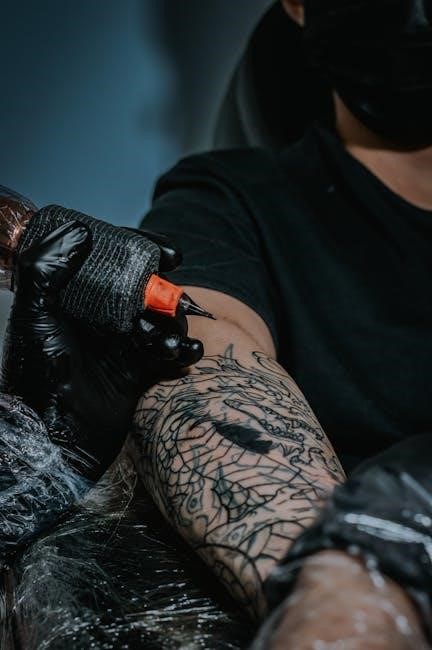
Different tattoo styles—color, black and grey, or fine line—may require slightly adjusted aftercare routines to maintain vibrancy and prevent fading or blurring.
Color Tattoo Aftercare Considerations
Color tattoos demand meticulous aftercare to preserve their brilliance. Printable aftercare sheets should emphasize sun protection, as UV rays rapidly fade pigments. Consistent moisturizing is crucial; dry skin dulls colors.
Avoid harsh soaps and chemicals that strip ink. Gentle, fragrance-free cleansers are best. Pay close attention to signs of infection, as color saturation can mask early redness. Following a detailed PDF guide ensures proper healing, preventing color loss and maintaining the tattoo’s intended vibrancy. Remember, diligent care equals a stunning, long-lasting piece of art!
Black and Grey Tattoo Aftercare
Black and grey tattoos, while seemingly less prone to fading, still require dedicated aftercare. Printable aftercare instructions should stress consistent moisturizing to maintain skin elasticity and prevent ink settling. Avoid excessive sun exposure, as it can blur lines and dull shades.
Gentle cleansing is key; harsh scrubbing can lift pigment. Monitor for signs of infection, paying attention to any unusual swelling or discharge. A comprehensive PDF guide will detail proper cleaning and moisturizing techniques, ensuring a smooth healing process and a beautifully defined, lasting tattoo.
Fine Line Tattoo Aftercare
Fine line tattoos demand meticulous aftercare due to their delicate nature. Printable aftercare instructions must emphasize avoiding friction and trauma to the area, as these can easily disrupt the thin lines. Gentle cleansing with a mild, fragrance-free soap is crucial, alongside consistent, light moisturizing.
Sun protection is paramount; UV rays can quickly fade intricate details. A detailed PDF guide should highlight the importance of avoiding picking or scratching, and recognizing early signs of infection. Proper care ensures the longevity and crispness of these beautiful, minimalist designs.

The Role of Dexpanthenol in Aftercare
Dexpanthenol, found in many aftercare products, promotes skin regeneration and reduces inflammation, aiding tattoo healing, as detailed in printable instructions.
Benefits of Dexpanthenol for Tattoo Healing
Dexpanthenol offers significant advantages during tattoo recovery, actively supporting the skin’s natural healing processes. As a provitamin of pantothenic acid (Vitamin B5), it effectively penetrates the skin, converting into pantothenic acid to boost cellular metabolism and accelerate tissue regeneration.
This leads to reduced inflammation, soothing irritation and minimizing discomfort. Printable aftercare instructions often recommend products containing dexpanthenol due to its moisturizing properties, preventing excessive dryness and scabbing; It also helps maintain skin elasticity, crucial for preserving tattoo vibrancy. Research, like that published in Health Science Reports, highlights its efficacy in dermocosmetic formulations specifically designed for tattoo aftercare, promoting optimal healing and color retention.
Dexpanthenol Containing Products
Numerous aftercare products incorporate dexpanthenol for its healing benefits. Look for tattoo-specific balms, lotions, and washes formulated with this key ingredient. Brands often create dedicated tattoo aftercare lines, ensuring optimal concentration and compatibility with freshly inked skin.
Printable aftercare instructions may suggest specific product types, like Bepanthen or Panhenol, known for their high dexpanthenol content. These products are readily available at pharmacies and tattoo supply stores. Always check ingredient lists to confirm dexpanthenol is present and avoid products with harsh chemicals or fragrances that could irritate the healing tattoo.

Aftercare for Different Tattoo Placements
Printable tattoo aftercare must be adjusted based on location; extremities require extra attention due to increased movement and potential for friction and irritation.
Extremities (Hands, Feet) Aftercare
Tattoo aftercare on hands and feet presents unique challenges due to constant use and exposure. Printable aftercare sheets should emphasize diligent cleaning and moisturizing to combat friction.
Keep the area elevated when possible to minimize swelling. Frequent, gentle washing with mild soap is crucial, followed by a thin layer of recommended ointment.
Avoid prolonged submersion in water, and protect the tattoo during activities. Bandaging can help prevent snags and scrapes. Be extra vigilant for signs of infection, as these areas are prone to it. Following printable guidelines closely ensures optimal healing.
Torso & Back Tattoo Aftercare
Printable tattoo aftercare instructions for the torso and back focus on clothing choices and movement limitations. These areas experience friction from clothing, so loose-fitting garments are essential to avoid irritation.
Cleaning is still paramount; gentle washing with mild soap is key. Moisturizing helps maintain skin health and prevents excessive dryness;
Avoid strenuous activities that cause excessive sweating or stretching until fully healed. Pay attention to areas where clothing rubs, and consider using a bandage for protection. Consistent adherence to printable guidelines promotes proper healing and vibrant results.