Festool Guide Rail Connectors: A Comprehensive Guide
Festool guide rail connectors are essential for achieving long, straight cuts when using a track saw system․ These connectors join multiple rails seamlessly,
ensuring precision and stability during woodworking projects․ They are compatible with all Festool guide rails and feature self-aligning designs․
What are Festool Guide Rail Connectors?
Festool Guide Rail Connectors are specialized joining bars designed to securely link multiple Festool guide rails together․ These connectors, like the FSV/2 model, facilitate extended cutting lengths beyond the capacity of a single rail․ They are crucial for working with large sheet goods or making rip cuts across wide panels, ensuring a consistently straight cutting path․
Typically constructed from heavy-duty steel, these connectors utilize T-slots for a robust and precise fit within the guide rail’s profile․ Self-aligning features are common, minimizing the risk of misalignment and contributing to accurate results․ Both original Festool connectors and third-party alternatives are available, offering varying price points and features․
The Importance of Seamless Guide Rail Connections
Seamless connections between Festool guide rails are paramount for maintaining cutting accuracy and preventing deviations during long cuts․ Any gap or misalignment introduces the potential for splintering, wandering, or an overall imprecise result, especially when working with expensive sheet materials․ A stable, flush connection ensures the track saw remains firmly guided along the intended path․
Properly connected rails eliminate the risk of “rail dimpling,” a common issue where the connector’s screw pressure can subtly deform the rail’s surface․ This deformation can affect the saw’s gliding action․ Utilizing self-aligning connectors minimizes this risk, and a robust connection prevents rail separation mid-cut, safeguarding both the workpiece and the operator․
Types of Festool Guide Rail Connectors Available
Currently, two primary types of Festool guide rail connectors are readily available to woodworkers: the original Festool FSV/2 connectors and various third-party alternatives․ Festool’s FSV/2 connectors are designed specifically for their rails, offering a precise fit and self-aligning functionality․ These are often considered the gold standard for seamless rail joining․
Third-party connector sets, often constructed from heavy-duty steel, provide a more budget-friendly option․ Many feature T-slots for enhanced stability and compatibility․ Some users even create DIY versions using threaded inserts․ While these alternatives can be effective, quality and precision can vary, so careful consideration is needed when choosing a non-Festool option․
Original Festool FSV/2 Connectors
Festool’s FSV/2 connectors represent the manufacturer’s original solution for joining guide rails․ These connectors are specifically engineered for Festool rails, guaranteeing a precise and secure connection․ They feature a self-aligning design, minimizing the risk of misalignment during extended cuts․ Many woodworkers value these connectors for their reliability and ability to maintain a perfectly straight cutting path․
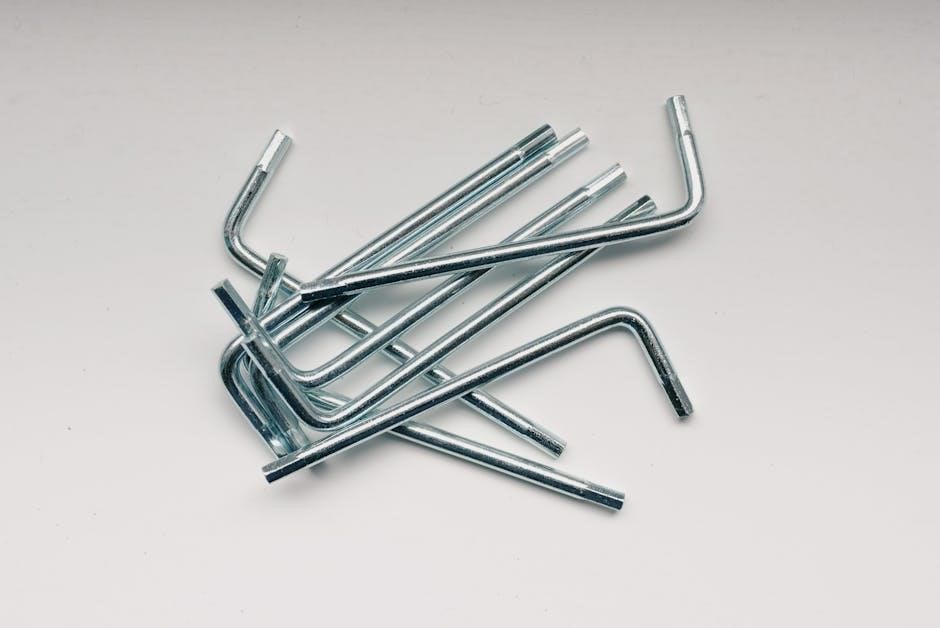
The FSV/2 connectors utilize a robust clamping mechanism that firmly holds the rails together․ While they come at a higher price point than third-party options, users often cite their durability and the peace of mind knowing they are using a Festool-approved accessory․ They are available for purchase through authorized Festool dealers and online retailers like Toolfix․ie․
Third-Party Guide Rail Connector Sets
Numerous third-party manufacturers offer guide rail connector sets compatible with Festool guide rails, presenting cost-effective alternatives to the original FSV/2 connectors․ These sets often utilize a similar self-aligning design, aiming to provide seamless rail connections for extended cuts․ Many are constructed from heavy-duty steel, featuring T-slots for enhanced stability and compatibility․
One popular option, the TSO version, employs a hex head screw that applies a larger flat surface to the rail, minimizing the potential for rail dimpling․ While generally more affordable, it’s crucial to assess the quality and precision of these alternatives․ User reviews suggest careful installation is key to achieving optimal performance and avoiding alignment issues․
Compatibility with Festool Guide Rails
Festool guide rail connectors, both original and third-party, are designed with broad compatibility across the entire Festool guide rail system․ This includes all lengths and generations of rails, ensuring a consistent and reliable connection regardless of the specific rail model․ The T-slot design inherent in Festool rails is fundamental to this compatibility, allowing connectors to securely interface with the rail’s structure․
Connectors are engineered to work seamlessly, enabling users to join rails for extended cutting lengths․ Whether connecting two shorter rails or combining multiple sections, the compatibility ensures a straight and stable cutting path․ This universal compatibility simplifies the process of expanding cutting capacity without compromising precision․
Self-Aligning Features and Their Benefits
Many Festool guide rail connectors, particularly newer designs and quality third-party options, incorporate self-aligning features․ These features are crucial for maintaining a perfectly straight cutting path when joining multiple rails․ The self-aligning mechanism typically involves a design where the connector automatically adjusts to minor imperfections or misalignments between the rails․
The primary benefit is eliminating the need for meticulous manual alignment, saving time and reducing the risk of errors․ This ensures a smooth transition between rails, preventing bumps or deviations in the cut․ A hex head screw pushing a flat surface into the rail is a common method․ This results in cleaner, more accurate cuts, especially over longer distances, enhancing overall project quality and efficiency․
How to Connect Festool Guide Rails Using Connectors
Connecting Festool guide rails with connectors is a straightforward process, but proper alignment is key․ Begin by positioning the rails end-to-end, ensuring they are level and on the same plane․ Insert the connector pieces into the T-slots of both rails, aligning the screw holes․
Using a suitable screwdriver, tighten the screws securely, but avoid over-tightening to prevent rail dimpling․ The self-aligning features will assist in achieving a flush connection․ Double-check the alignment by running a straight edge across the joint․ A video demonstration can be helpful for visualizing the process․ Proper alignment guarantees a seamless cutting experience and accurate results․
Step-by-Step Connection Process
Step 1: Position the Festool guide rails end-to-end on a flat, stable surface․ Ensure the rails are perfectly aligned horizontally․ Step 2: Insert the guide rail connectors into the T-slots of both rails simultaneously․ Step 3: Align the screw holes in the connector with the corresponding holes in the rails․

Step 4: Using a screwdriver, carefully tighten the screws․ Avoid excessive force to prevent rail damage․ Step 5: Verify the connection’s straightness with a straight edge․ Step 6: For multiple rail connections, repeat steps 2-5 for each subsequent rail․ This methodical approach ensures a secure and accurate joint for extended cuts․
Ensuring Proper Alignment
Precise alignment is critical when connecting Festool guide rails․ Begin by visually inspecting the rails for any gaps or offsets before tightening connectors․ Utilize a straight edge spanning the joint to confirm a perfectly straight cutting path․ The self-aligning features of connectors, like those from TSO, aid in this process, minimizing dimpling risks․
Carefully tighten connector screws, avoiding over-tightening which can distort the rails․ Regularly check alignment during extended cuts, especially across large sheet goods․ Proper alignment guarantees accurate rip cuts and prevents binding during operation, maximizing the efficiency and quality of your woodworking projects․
Avoiding Common Connection Mistakes
Common pitfalls when using Festool guide rail connectors include rail dimpling and misalignment․ Over-tightening connector screws is a primary cause of dimpling, so exercise caution․ Regularly inspect the rail surface for any indentations․ Maintaining a straight cutting path requires careful alignment; use a straight edge to verify before each cut․
Avoid forcing the saw along the connected rails, as this can exacerbate misalignment․ Ensure connectors are fully engaged and securely fastened․ Utilizing connectors with larger flat surfaces, like TSO versions, can minimize dimpling․ Prioritize slow, controlled movements for optimal results and prevent deviations from your intended cut line․
Preventing Rail Dimpling
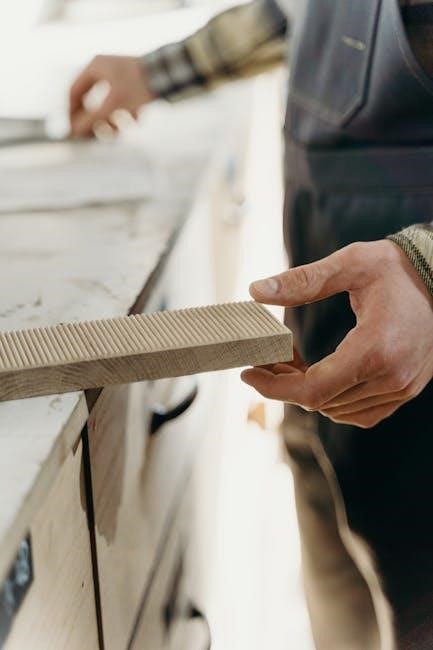
Rail dimpling, a common concern with Festool guide rail connectors, occurs when connector screws indent the rail’s surface․ To prevent this, avoid excessive tightening of the connector screws․ Opt for connectors designed with larger, flatter contact surfaces, distributing pressure more evenly across the rail․ The TSO versions are specifically noted for minimizing this issue․
Regularly inspect your rails for any signs of dimpling, especially after initial use․ Consider using a torque wrench to ensure consistent and appropriate screw tightness․ Avoid forcing the saw along the connected rails, as increased pressure exacerbates dimpling․ Proper connector installation and mindful operation are key to preserving rail integrity․
Maintaining a Straight Cutting Path
Achieving a perfectly straight cutting path with connected Festool guide rails relies heavily on proper alignment and connector functionality․ Ensure connectors are fully engaged and tightened before commencing any cut․ Regularly check the alignment of connected rails, especially over longer spans, to identify and correct any deviations․
A stable work surface is crucial; any unevenness can translate into inaccuracies․ When ripping cuts across wide panels, support the material adequately to prevent sagging․ Smooth, consistent saw movement along the rail minimizes the risk of wandering․ Demonstrations show proper alignment techniques are straightforward, but vital for precision․
Materials Used in Connector Construction (Steel, Aluminum)
Festool guide rail connectors, and many high-quality third-party alternatives, predominantly utilize heavy-duty steel in their construction․ Steel provides the necessary strength and rigidity to maintain precise alignment between rails during demanding cuts․ Some connectors incorporate aluminum components to reduce weight without significantly compromising structural integrity․
The choice of material impacts durability and resistance to wear․ Steel connectors are less prone to deformation under pressure, crucial for preventing rail dimpling․ TSO versions utilize a larger flat surface pushing into the rail, minimizing dimpling․ The combination of steel and aluminum offers a balance between robustness and ease of handling, enhancing the overall user experience․
The Role of T-Slots in Connector Functionality
Festool guide rails are renowned for their integrated T-slots, and these play a critical role in the functionality of the connectors․ Connectors utilize these slots to securely clamp onto the rails, providing a stable and precise joining mechanism․ The T-slot design ensures that the connector remains firmly in place, even during aggressive cutting operations․
The connectors’ screws engage directly with the T-slots, creating a strong and reliable connection․ This engagement prevents slippage and maintains the rails’ alignment․ Self-aligning features often work in conjunction with the T-slots, further enhancing precision․ DIY alternatives even mimic these screw holes using threaded inserts melted into the rail, demonstrating the T-slot’s importance․
DIY Alternatives to Festool Connectors
For budget-conscious woodworkers, DIY alternatives to Festool guide rail connectors exist․ One popular method involves utilizing threaded inserts, specifically M3x6x5mm, melted directly into the guide rail to replicate the original screw holes․ This approach aims to mimic the secure connection provided by the official Festool FSV/2 connectors․
However, considerations for DIY connector strength are crucial․ Ensuring a robust and stable connection is paramount to prevent rail dimpling or inaccurate cuts․ While cost-effective, these alternatives require careful execution and may not match the precision or durability of the original parts․ Thorough testing is recommended before relying on DIY connectors for critical projects․
Using Threaded Inserts for Custom Connections
Implementing threaded inserts presents a viable DIY solution for creating custom Festool guide rail connections․ Specifically, M3x6x5mm inserts are melted directly into the guide rail material, effectively replicating the screw hole locations found in genuine Festool connectors․ This method allows for a secure fastening point for joining rails together․
The process demands precision to ensure proper alignment and a strong bond between the insert and the rail․ Careful heating and insertion techniques are vital to avoid damaging the rail․ While offering a cost-effective alternative, the resulting connection’s strength and longevity depend heavily on the quality of the inserts and the execution of the installation process;
Considerations for DIY Connector Strength
When fabricating DIY Festool guide rail connectors, prioritizing structural integrity is paramount․ The chosen materials must withstand the clamping forces exerted during cutting without deformation or failure․ Threaded insert methods, while cost-effective, require careful consideration of insert material and installation technique to maximize pull-out resistance․
Factors like the type of adhesive used (if any), the depth of insert placement, and the rail material itself all contribute to overall strength․ It’s crucial to avoid designs that concentrate stress on a single point, potentially leading to rail dimpling or connector breakage․ Thorough testing with representative cuts is recommended before relying on DIY connectors for critical applications;
Cost Comparison: Original vs․ Third-Party Connectors
Festool’s original FSV/2 guide rail connectors represent a significant investment, typically costing around $80-$100 for a pair․ While guaranteeing perfect compatibility and alignment, this price point can be prohibitive for occasional users․ Third-party connector sets, like those from TSO, offer a more budget-friendly alternative, often available for $30-$50 per pair․
These alternatives generally maintain acceptable precision, though some users report minor adjustments may be needed․ The cost savings are substantial, potentially allowing purchase of a longer rail instead․ However, consider the potential for diminished durability or compatibility issues when opting for non-original components․ Weighing initial cost against long-term reliability is key․
Applications Beyond Simple Rail Joining
Festool guide rail connectors unlock capabilities extending beyond merely joining rails for longer cuts․ They become invaluable when cutting large sheet goods like plywood or MDF, enabling precise, straight cuts across the entire material surface․ This is particularly useful for furniture making and cabinet construction․
Furthermore, these connectors facilitate rip cuts across wide panels, eliminating the need for multiple passes or cumbersome clamping setups․ They ensure consistent, accurate results, even with substantial material dimensions․ DIY enthusiasts leverage connectors for custom projects requiring extended cutting lengths, achieving professional-grade precision․ The stability provided minimizes tear-out and improves overall cut quality․
Cutting Large Sheet Goods
Festool guide rail connectors are indispensable when tackling large sheet goods like plywood, MDF, or melamine․ Connecting rails allows for cuts exceeding the length of a single rail, crucial for projects like large tabletops or cabinet panels․ The connectors maintain a perfectly straight cutting path across the entire sheet, eliminating inaccuracies and ensuring square edges․
Using connected rails minimizes the risk of material shifting during the cut, resulting in cleaner, more professional results․ This is especially important with delicate or easily damaged materials․ The self-aligning features of quality connectors, like those from TSO, prevent rail dimpling and maintain consistent alignment, maximizing cut precision and minimizing waste․
Rip Cuts Across Wide Panels
Festool guide rail connectors excel when performing rip cuts across exceptionally wide panels, a common task in furniture making and large-scale woodworking․ They enable consistent, straight cuts that would be difficult and potentially dangerous to achieve freehand or with less precise methods․ Connecting rails provides the necessary length and stability to support the entire cut, preventing deflection and ensuring accuracy․
The connectors’ ability to maintain alignment is paramount for rip cuts, guaranteeing parallel edges and consistent width․ Utilizing connectors minimizes tear-out and chipping, particularly on veneered or laminated panels․ Investing in quality connectors, even third-party options like TSO, can prevent rail dimpling and deliver professional-grade results, saving time and material․
Connector Durability and Longevity
Festool guide rail connectors, particularly those constructed from heavy-duty steel, demonstrate impressive durability and longevity with proper care․ Original Festool FSV/2 connectors are known for their robust build quality, designed to withstand repeated use and maintain precise alignment over time․ However, even third-party options, like those with T-slot designs, can offer excellent performance and resilience․
Regular cleaning and inspection are crucial for maximizing connector lifespan․ Avoiding over-tightening the screws prevents damage to the rail and connector itself․ While some DIY alternatives using threaded inserts may compromise long-term stability, well-executed solutions can prove surprisingly durable․ Ultimately, the longevity of connectors depends on material quality and user maintenance․
User Reviews and Real-World Performance
Festool guide rail connectors consistently receive positive user reviews, highlighting their effectiveness in achieving accurate, seamless cuts․ Many users praise the self-aligning features, noting a significant reduction in setup time and improved cut quality, especially when joining rails for large sheet goods․ The original FSV/2 connectors are often cited for their precision and reliability, though at a higher price point․
Third-party options, like TSO connectors, also garner favorable feedback, particularly regarding their ability to prevent rail dimpling – a common concern with some connector designs․ Real-world performance reports indicate that both original and quality aftermarket connectors deliver consistent results, enabling confident rip cuts across wide panels․ DIY solutions, while requiring more effort, can also perform adequately with careful implementation․
Where to Purchase Festool Guide Rail Connectors
Festool guide rail connectors are readily available through a variety of channels, catering to different budgets and convenience preferences․ Authorized Festool dealers offer the original FSV/2 connectors, ensuring authenticity and access to expert advice․ These dealers often provide in-person support and demonstrations․
Numerous online retailers also stock both original Festool connectors and third-party alternatives․ Toolfix․ie, for example, frequently features competitive pricing on the FSV/2 joining bars․ Other online platforms like Amazon and specialized woodworking supply stores carry a range of connector sets․ Comparing prices across multiple retailers is recommended to secure the best deal․ Be sure to verify seller reputation when purchasing online․
Authorized Festool Dealers
Authorized Festool dealers represent the most reliable source for genuine FSV/2 guide rail connectors and related accessories․ These dealers are officially partnered with Festool, guaranteeing product authenticity and quality․ Beyond simply selling the connectors, they offer valuable expertise and can provide guidance on selecting the appropriate connector type for your specific needs․
Visiting a local dealer allows for hands-on inspection of the products and the opportunity to discuss your woodworking projects with knowledgeable staff․ Many dealers also offer workshops and demonstrations, providing practical insights into using Festool systems effectively․ Furthermore, purchasing from an authorized dealer often ensures access to warranty support and genuine replacement parts, safeguarding your investment․ A list of authorized dealers can be found on the official Festool website․
Online Retailers (Toolfix․ie, etc․)
Numerous online retailers offer Festool guide rail connectors, providing a convenient alternative to brick-and-mortar stores․ Websites like Toolfix․ie frequently stock the FSV/2 connectors and compatible sets, often at competitive prices․ When purchasing online, it’s crucial to verify the retailer’s credibility to ensure you’re receiving genuine Festool products and not counterfeit imitations․
Online platforms often feature customer reviews, offering valuable insights into product performance and retailer reliability․ Comparing prices across different websites is recommended to secure the best deal․ Be mindful of shipping costs and return policies before finalizing your purchase․ Always confirm compatibility with your existing Festool guide rails before ordering, and consider the potential benefits of purchasing from an authorized dealer for warranty support․
Maintaining and Caring for Your Connectors
Proper maintenance of your Festool guide rail connectors is vital for ensuring continued accuracy and longevity․ Regularly inspect the connectors for any signs of wear, damage, or loose screws․ After each use, wipe down the connectors with a clean, dry cloth to remove sawdust and debris, preventing buildup that could affect alignment․
Avoid over-tightening the screws, as this can potentially dimple the guide rail surface․ Periodically check the T-slots for obstructions and clear them if necessary․ Store the connectors in a dry environment to prevent corrosion․ If using third-party connectors, pay close attention to the material quality and ensure they are properly aligned during installation to avoid rail damage․ Consistent care will maximize the lifespan and performance of your connectors․
Future Trends in Guide Rail Connector Design
The future of Festool guide rail connector design likely focuses on enhanced automation and material science․ We can anticipate connectors with integrated sensors for self-calibration, guaranteeing even more precise alignment and minimizing user error․ Expect advancements in materials, potentially utilizing lighter yet stronger alloys to reduce weight without sacrificing durability․
Further integration with Festool’s digital ecosystem is probable, perhaps incorporating Bluetooth connectivity for data logging and performance monitoring․ Designs may evolve to offer tool-less adjustment and quicker rail connections․ DIY alternatives could inspire manufacturers to create more adaptable, modular connector systems․ Ultimately, the trend points towards smarter, more user-friendly connectors that streamline the cutting process and elevate accuracy․